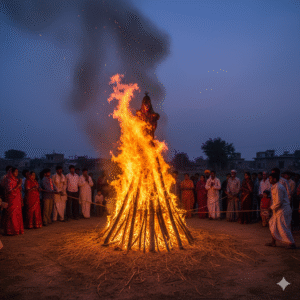
Baisakhi – Celebration of Harvest, Faith, and New Beginnings Baisakhi, also known as Vaisakhi, is one of the most joyful and colorful festivals of India, celebrated every year on April 13 or 14. It marks the beginning of the Sikh New Year and the harvest…
Baisakhi – Celebration of Harvest, Faith, and New Beginnings
Baisakhi, also known as Vaisakhi, is one of the most joyful and colorful festivals of India, celebrated every year on April 13 or 14. It marks the beginning of the Sikh New Year and the harvest season of Rabi crops. For farmers, this day brings immense happiness and gratitude for a good harvest, while for Sikhs, it holds deep spiritual importance as the day when Guru Gobind Singh Ji established the Khalsa Panth in 1699.
The festival beautifully blends faith, farming, and festivity, bringing together people from all communities to celebrate prosperity and devotion.
History and Origin of Baisakhi
The history of Baisakhi dates back to 1699, when Guru Gobind Singh Ji, the tenth Sikh Guru, gathered thousands of devotees in Anandpur Sahib. He founded the Khalsa Panth — the community of pure, brave, and devoted Sikhs.
On this historic day, Guru Gobind Singh Ji baptized his followers with “Amrit” (holy nectar) and gave them the title of Khalsa, signifying purity and courage. The five beloved ones (Panj Pyare) who first took the baptism became symbols of equality and sacrifice.
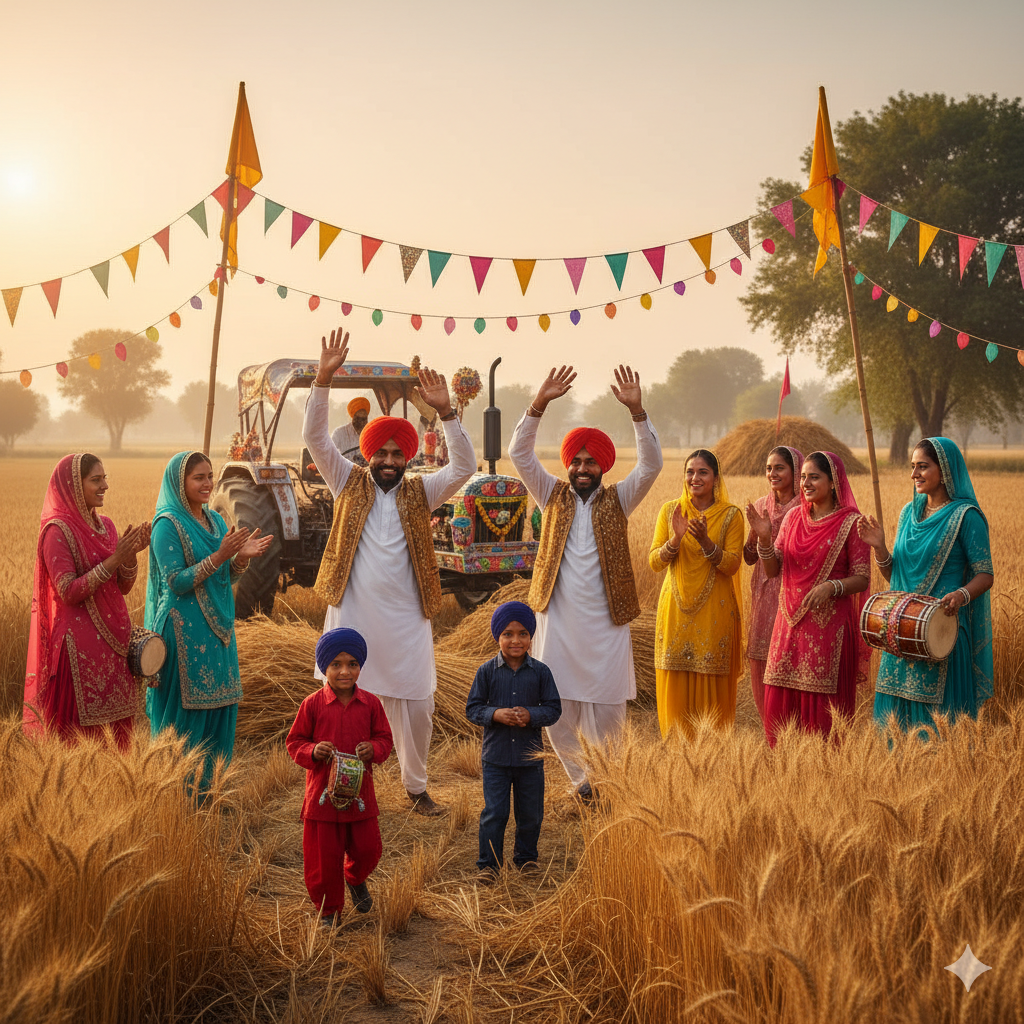
Apart from its religious importance, Baisakhi has deep agricultural roots. It marks the time when farmers reap their Rabi crops, especially wheat. They thank God for the abundant harvest and pray for future prosperity.
In Hindu tradition, Baisakhi also represents the solar new year and is celebrated as Vishu in Kerala, Pohela Boishakh in Bengal, and Rongali Bihu in Assam.
Baisakhi Celebration in Punjab and Across India
1. Punjab – The Heart of Baisakhi
In Punjab, Baisakhi is celebrated with unmatched enthusiasm. Early in the morning, devotees visit Gurdwaras to offer prayers and listen to Kirtans. The holy scripture, Guru Granth Sahib Ji, is carried in a procession known as Nagar Kirtan led by Panj Pyare.
After prayers, people gather for the Langar (community feast), where everyone, regardless of caste or religion, eats together as a symbol of equality and unity.
The day is filled with Bhangra and Giddha dances, traditional Punjabi songs, fairs, and cultural programs. People wear bright clothes and exchange sweets, celebrating joy and gratitude.
2. Celebration in Other States
- Haryana & Delhi: Farmers celebrate Baisakhi with fairs, dances, and festive meals.
- West Bengal: Known as Pohela Boishakh, it marks the Bengali New Year with processions, music, and traditional food.
- Kerala: As Vishu, people light lamps, wear new clothes, and offer prayers to Lord Vishnu.
- Assam: Celebrated as Rongali Bihu, it welcomes the Assamese New Year with traditional music, dance, and feasts.
- Uttar Pradesh & Bihar: Devotees take holy dips in the Ganga River and perform charity, calling it Ganga Snaan or Mesha Sankranti.
Rituals and Traditions
- Morning Prayers: People visit temples or Gurdwaras early morning to offer gratitude.
- Nagar Kirtan: Processions with devotional songs and the Nishan Sahib (Sikh flag) fill the streets.
- Community Feasts (Langar): Free food is served to all as a gesture of equality and service.
- Fairs and Cultural Programs: Baisakhi Melas (fairs) are organized featuring folk dance, music, games, and traditional food.
- Thanksgiving to Nature: Farmers thank the Almighty for their successful harvest and pray for rain and prosperity.
Significance of Baisakhi
- Spiritual Significance: Commemorates the birth of Khalsa Panth, symbolizing unity, courage, and righteousness.
- Agricultural Importance: Marks the harvest season, celebrating abundance and hard work of farmers.
- Cultural Value: Encourages community bonding, equality, and social harmony.
- New Beginnings: Represents renewal of faith, prosperity, and joy at the start of a new year.
How Baisakhi Inspires Today’s Generation
In today’s fast-paced life, Baisakhi reminds us of gratitude, unity, and humility. It teaches us to appreciate nature, respect hard work, and share happiness with others. Whether celebrated in villages or global cities, the spirit of Baisakhi continues to spread light, positivity, and togetherness.
Conclusion
Baisakhi is not just a festival — it is a celebration of life, faith, and community. From the golden wheat fields of Punjab to the cultural festivities across India, this day reminds us of the harmony between humanity and nature.
May this Baisakhi 2025 bring joy, success, and abundance to everyone’s life.