Mahamrityunjaya Mantra – Meaning, Benefits and the Divine Power of Lord Shiva’s Healing Chant Mahamrityunjaya Mantra – The Mantra of ImmortalityThe Mahamrityunjaya Mantra is one of the most powerful and sacred mantras dedicated to Lord Shiva. It appears in the…
Mahamrityunjaya Mantra – Meaning, Benefits and the Divine Power of Lord Shiva’s Healing Chant
Mahamrityunjaya Mantra – The Mantra of Immortality
The Mahamrityunjaya Mantra is one of the most powerful and sacred mantras dedicated to Lord Shiva. It appears in the Rigveda and is also known as the Tryambakam Mantra. The word “Mahamrityunjaya” means “the great victory over death.” This mantra is believed to protect the devotee from negative forces, diseases and untimely death while granting peace, strength and longevity.
For centuries, sages and devotees have chanted this mantra to overcome fear and connect with the eternal energy of Lord Shiva, the destroyer of evil and the giver of life.
The Mahamrityunjaya Mantra in Sanskrit
ॐ त्र्यम्बकं यजामहे सुगन्धिं पुष्टिवर्धनम्।
उर्वारुकमिव बन्धनान् मृत्योर्मुक्षीय माऽमृतात्॥
Transliteration:
Om Tryambakam Yajamahe Sugandhim Pushtivardhanam,
Urvarukamiva Bandhanan Mrityor Mukshiya Maamritat.
Meaning of the Mahamrityunjaya Mantra
This mantra praises Lord Shiva as the three-eyed one who nourishes and strengthens all beings. The devotee prays for liberation from the bondage of suffering and the fear of death, just as a ripe fruit detaches naturally from the stem. It expresses a deep desire for spiritual awakening and freedom from the cycle of life and death. Chanting it regularly brings balance, courage and divine energy.
The Story Behind the Mantra
According to legend, Rishi Markandeya was saved from the clutches of death by Lord Shiva himself after he chanted this sacred mantra with full devotion. Since that day, the Mahamrityunjaya Mantra has been considered a divine shield that protects life and removes fear. It is often recited during illness, difficult times and spiritual practices for strength and protection.
Benefits of Chanting the Mahamrityunjaya Mantra
Chanting the Mahamrityunjaya Mantra creates powerful vibrations that calm the mind and energize the body. It helps in healing physical and emotional pain, increases positivity and brings peace of mind. Many devotees believe that it wards off accidents and negative energies. It also enhances focus, stability and confidence, making it ideal for meditation and daily prayer.
Regular recitation is said to improve health, remove fear of death, and strengthen one’s connection with divine consciousness. It also purifies the atmosphere wherever it is chanted, spreading peace and spiritual energy.
How to Chant the Mahamrityunjaya Mantra
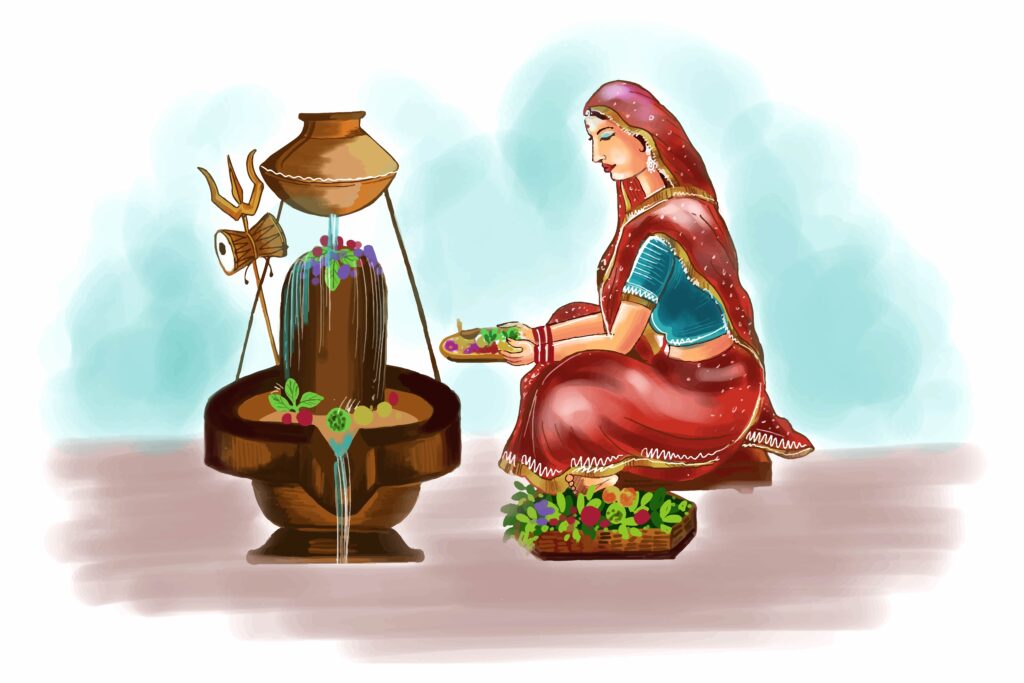
The best time to chant the mantra is early in the morning or during the evening after bathing and lighting a lamp before Lord Shiva’s image or Shivling. Sit in a quiet place facing east or north. You may use a Rudraksha mala and repeat the mantra 108 times with full concentration and faith. While chanting, focus on the sound of each word and visualize a bright light or the calm face of Lord Shiva. Devotees also perform Mahamrityunjaya Jaap in temples or homes during special occasions or healing rituals.
Spiritual Significance
The Mahamrityunjaya Mantra is not merely a prayer for long life—it is a call for liberation and inner peace. It reminds us that death is not the end but a transformation. By chanting this mantra, one learns to accept life with gratitude and face challenges with courage. The divine sound of “Om Tryambakam” awakens higher consciousness and brings a sense of surrender to Lord Shiva’s eternal power.
Conclusion
The Mahamrityunjaya Mantra is a timeless gift from the Vedas that carries the energy of healing and protection. When recited with devotion and faith, it helps remove suffering, fear and negativity. Make this mantra a part of your daily spiritual routine and experience the presence of Lord Shiva within. Through this sacred chant, you invoke peace, strength and divine grace in every aspect of life.