Sawan Month: Importance of Shravan Somvar and Lord Shiva Worship The sacred Sawan Month (Shravan Maas) is one of the most auspicious times of the year for devotees of Lord Shiva. This holy month, which falls between July and August, is marked by devotion,…
Sawan Month: Importance of Shravan Somvar and Lord Shiva Worship
The sacred Sawan Month (Shravan Maas) is one of the most auspicious times of the year for devotees of Lord Shiva. This holy month, which falls between July and August, is marked by devotion, fasting, and prayers. As the rains bless the earth, devotees offer their hearts to Mahadev — the destroyer of negativity and the giver of liberation.
In Hindu belief, the Sawan Somvar (Mondays of Sawan) are dedicated entirely to Lord Shiva. Fasting, chanting, and worship during this month are believed to fulfill desires, cleanse the soul, and bring divine blessings.
Spiritual Significance of Sawan Month
Sawan Month is considered Lord Shiva’s favorite time. According to Hindu scriptures, it is during this month that Goddess Parvati performed intense penance to win Lord Shiva as her husband. Her devotion impressed Mahadev, and he accepted her as his consort. Therefore, Sawan symbolizes the union of Shiva and Shakti, the divine balance of energy that sustains the universe.
As per the Shiva Purana, those who worship Lord Shiva during Sawan with pure devotion receive his blessings of peace, health, and prosperity. It is believed that even a single drop of Ganga Jal offered to the Shivling during Sawan can erase sins and grant spiritual elevation.
Why Mondays (Somvar) Are Special in Sawan
Among all the days, Monday (Somvar) holds special importance because it is considered the most auspicious day to worship Lord Shiva. During Sawan, devotees observe Shravan Somvar Vrat (Monday fast) with utmost devotion.
The fast is not only a ritual but also a form of meditation — it helps devotees connect deeply with their inner self and the cosmic consciousness of Shiva.
Unmarried women especially observe this fast to get a loving and ideal life partner like Lord Shiva, while married women fast for the well-being of their husbands and families.
Benefits of Sawan Somvar Fast
- Brings marital bliss and harmony.
- Strengthens emotional balance and inner peace.
- Removes obstacles and negative karma.
- Attracts success, wealth, and prosperity.
- Brings the devotee closer to spiritual awakening.
Fasting during Sawan Somvar is said to be equivalent to performing thousands of yajnas and pilgrimages.
How to Perform Sawan Somvar Puja (Step-by-Step Puja Vidhi)
Here’s how devotees perform the Lord Shiva Puja during Sawan Somvar:
- Early Morning Bath: Wake up early before sunrise, take a holy bath, and wear clean clothes.
- Clean the Puja Area: Decorate your home temple or a clean corner with flowers and diyas.
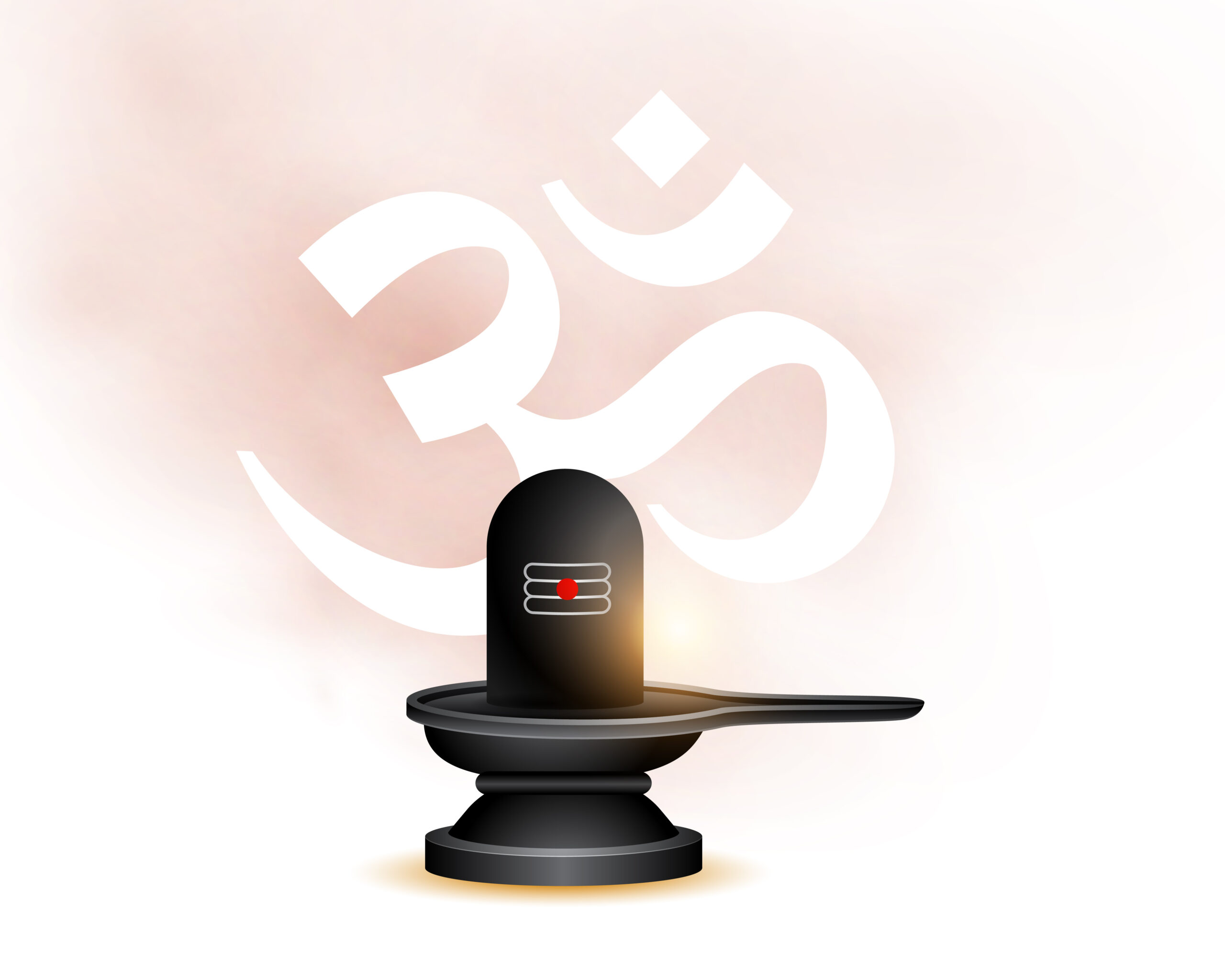
- Shivling Abhishek: Offer water, milk, honey, curd, sugar, and ghee on the Shivling.
- Offerings: Place Bilva Patra (Bel leaves), dhatura, sandalwood paste, rice, and flowers.
- Lighting the Lamp: Light a ghee lamp and incense sticks.
- Chant Mantras: Recite “Om Namah Shivaya” or the Mahamrityunjaya Mantra 108 times.
- Read the Sawan Somvar Vrat Katha: Listening to or reading the story of Sawan Somvar is considered essential.
- Aarti and Prasad: Perform Shiva Aarti and distribute Prasad after sunset.
Mantra:
“Om Tryambakam Yajamahe Sugandhim Pushtivardhanam,
Urvarukamiva Bandhanan Mrityor Mukshiya Maamritat.”
This mantra protects the devotee from illness, fear, and untimely death, granting peace and longevity.
The Mythological Story of Sawan (Neelkanth Katha)
The story behind Sawan’s significance is rooted in the Samudra Manthan (Churning of the Ocean). When the Devas (gods) and Asuras (demons) churned the ocean for Amrit (nectar of immortality), a deadly poison named Halahala emerged. The poison threatened to destroy the entire creation.
To save the universe, Lord Shiva drank the poison. However, instead of swallowing it, he held it in his throat, which turned blue — earning him the name Neelkanth (the Blue-Throated One).
To calm the burning effect of the poison, devotees poured Ganga Jal and milk over him. This act of devotion is recreated every year during Sawan when devotees perform Jal Abhishek on the Shivling.
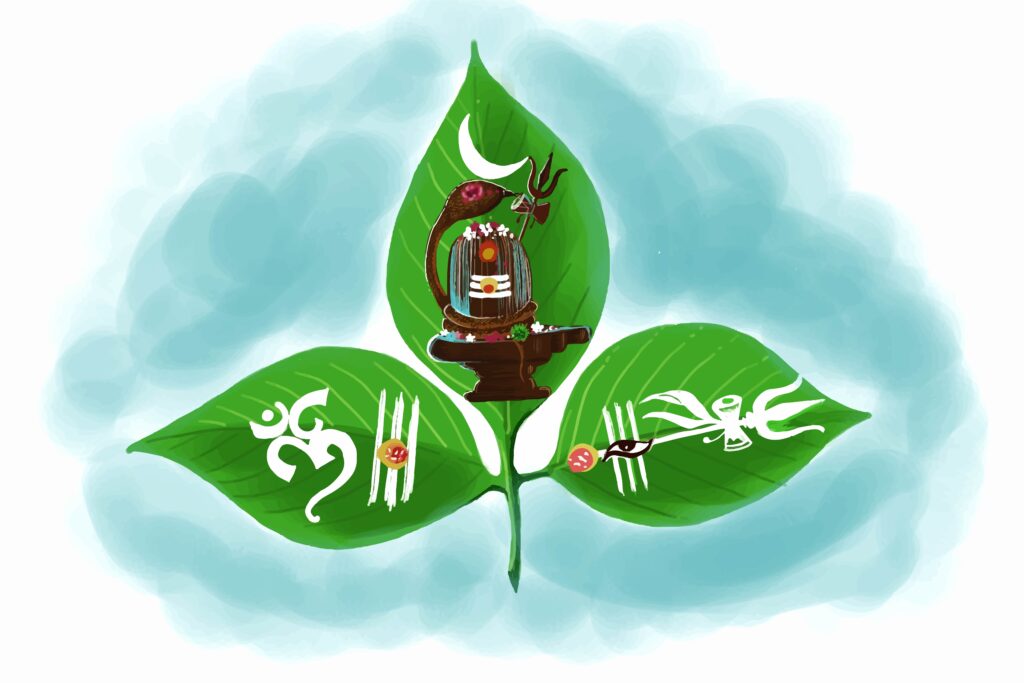
Significance of Bel Patra and Rudraksha
Offering Bel Patra (Bilva Leaves) during Sawan is extremely sacred. Each leaf is believed to represent the three eyes of Lord Shiva — symbolizing creation, preservation, and destruction. Offering Bilva leaves removes negative karma and brings good fortune.
Similarly, wearing a Rudraksha mala during this period connects the wearer to Shiva’s energy. Each Rudraksha bead holds divine vibrations that enhance focus, peace, and spiritual growth.
Sawan Celebrations Across India
Sawan is celebrated with devotion and grandeur across India:
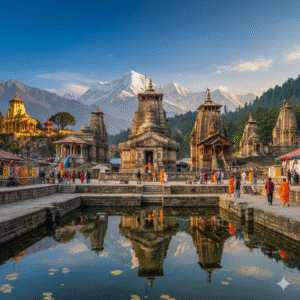
- Kashi (Varanasi): The city of Lord Shiva sees millions of devotees offering Ganga Jal to Kashi Vishwanath Temple.
- Haridwar & Deoghar: The famous Kanwar Yatra takes place, where devotees (Kanwariyas) carry Ganga water and walk barefoot to Shiva temples.
- Ujjain: The Mahakaleshwar Jyotirlinga witnesses grand Abhishek rituals.
- Baijnath and Somnath: These ancient temples become centers of spiritual energy and celebration.
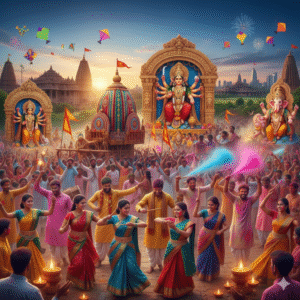
The chants of “Har Har Mahadev” fill the air as devotees express their love and surrender to Lord Shiva.
Spiritual Meaning of Sawan
Sawan is not just a month of fasting — it’s a month of transformation. It teaches the values of patience, discipline, and detachment. Devotees are encouraged to purify their thoughts, follow simplicity, and meditate upon the inner divinity that represents Lord Shiva.
Through fasting and chanting, one learns the art of self-control, bringing balance between the mind and soul. It’s a divine reminder that true worship lies in faith and surrender, not mere rituals.
Conclusion
The Sawan Month 2025 is a period of immense spiritual power and positivity. Observing Shravan Somvar Vrat and performing Shiva Puja with faith can transform one’s life.
As the rains nourish the earth, let your devotion nourish your soul.
Chant the sacred mantra, surrender your ego, and allow the divine energy of Mahadev to cleanse your heart.
“Har Har Mahadev! Om Namah Shivaya!”